Non Slip Kitchen Flooring Options: Safe & Stylish Choices for Your Home
What Are the Most Effective Non Slip Kitchen Flooring Options for Safety and Style?
The kitchen is often considered the heart of any home, a space where food is prepared, family gatherings occur, and daily routines unfold. However, it’s also one of the most accident-prone areas, primarily due to potential slips and falls caused by spills, wet surfaces, or uneven flooring. Choosing the right non slip kitchen flooring options is essential not only for ensuring safety but also for creating a stylish and functional space that complements your overall home design.
Why Is Non Slip Kitchen Flooring So Important?
Slip injuries in the kitchen can lead to serious accidents, especially when dealing with water, oil, or other liquids on the floor. Non slip flooring options provide enhanced grip and reduce the risk of falls, making your kitchen safer for everyone, particularly children, seniors, and guests. Moreover, durable slip-resistant surfaces can withstand the daily wear and tear of a busy kitchen environment, maintaining their safety features over time.
What Are Popular Non Slip Kitchen Flooring Options?
How Do Vinyl and Linoleum Floors Contribute to Kitchen Safety?
Vinyl flooring has become a popular choice due to its affordability, variety of styles, and ease of maintenance. Modern vinyl options often feature textured surfaces or anti-slip coatings that provide extra grip, even when wet. The seamless installation minimizes crevices where dirt and liquids can accumulate, maintaining cleanliness and safety. Additionally, vinyl is resilient, comfortable underfoot, and resistant to water damage, making it ideal for kitchens.
Are Porcelain and Ceramic Tiles a Good Non Slip Kitchen Flooring Choice?
Porcelain and ceramic tiles are widely used in kitchens for their durability and aesthetic appeal. To maximize slip resistance, opt for tiles with textured surfaces or matte finishes, which inherently offer better grip compared to glossy tiles. You can also choose tiles with a higher coefficient of friction or add non-slip treatments during installation. Incorporating rugs or mats in high-traffic or wet areas enhances safety further.
How Can Polished Concrete Be Transformed into a Non Slip Surface?
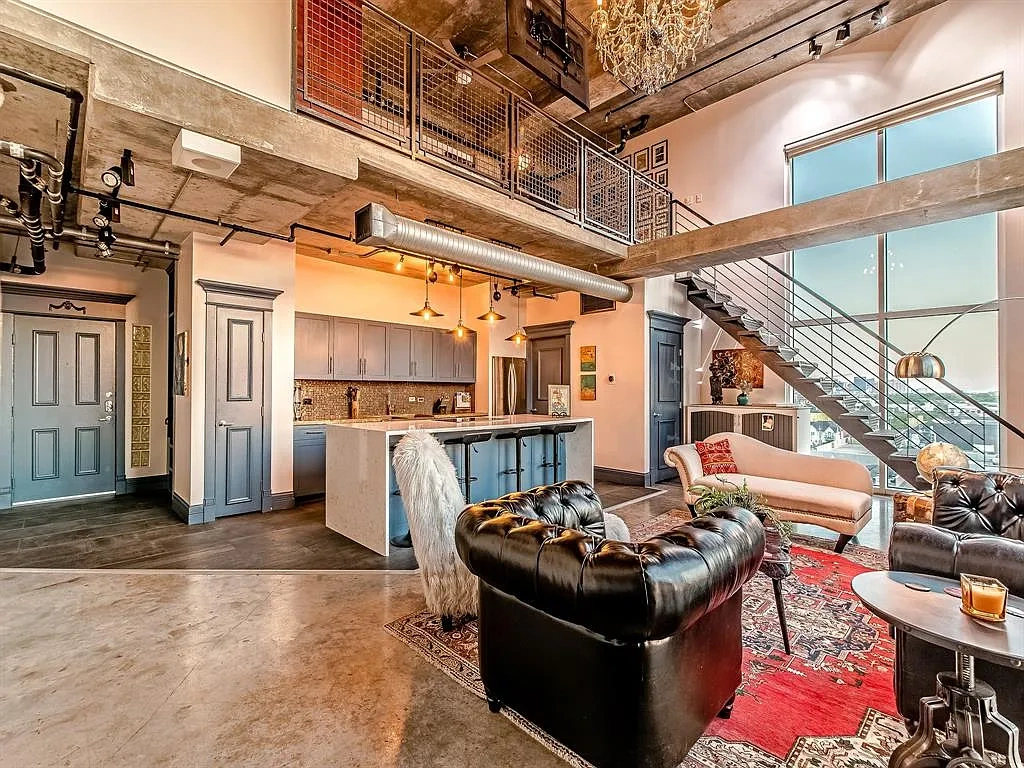
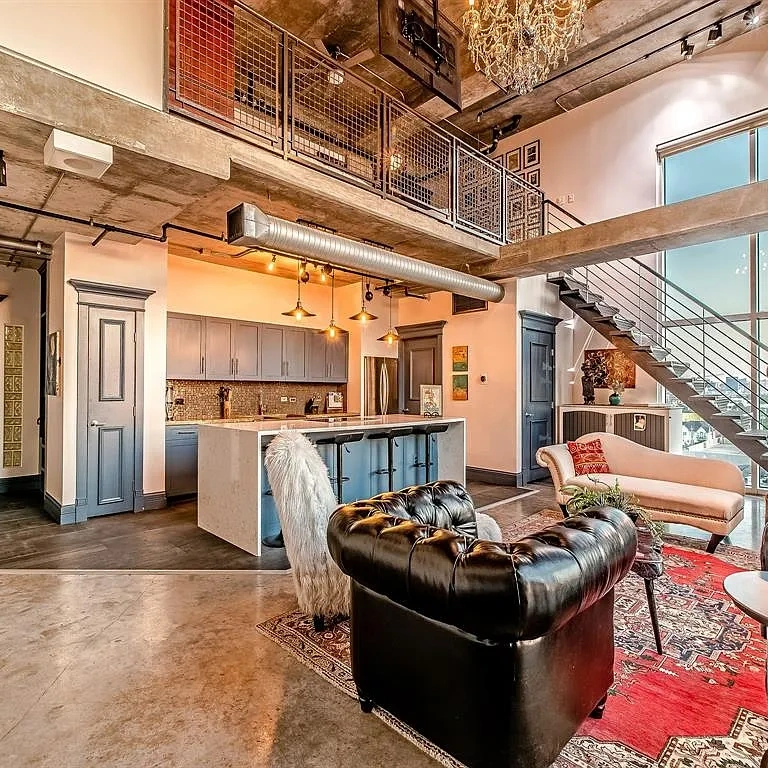
Polished concrete floors offer a sleek, modern look that can be customized with slip-resistant coatings or treatments. Mechanical grinding combined with textured sealers creates a durable surface that resists liquids and provides traction. These floors are highly resistant to stains, scratches, and moisture, making them an excellent option for busy kitchens. If you prefer concrete floors but want enhanced safety, this approach offers a compelling blend of style and function.
What About Natural Materials Like Hardwood and Bamboo?
Is Hardwood Flooring Suitable for Non Slip Kitchen Surfaces?
Traditional hardwood floors are elegant and timeless but can be slippery when wet. To improve safety, select hardwood with a textured finish or consider applying non-slip adhesives or pads. Bamboo flooring, a sustainable alternative, shares similar qualities. While naturally less slip-resistant, proper finishing techniques and area rugs can elevate safety without compromising aesthetics.
How Can I Choose the Right Non Slip Kitchen Flooring for My Space?
What Factors Should I Consider When Selecting Non Slip Kitchen Flooring?
Choosing the best non slip kitchen flooring options involves evaluating several key factors:
Safety and slip resistance: Prioritize surfaces with high slip resistance ratings, especially in areas prone to spills.
Durability: Ensure the flooring withstands frequent foot traffic, moisture, and heavy appliances.
Maintenance: Opt for materials that are easy to clean and maintain to uphold safety standards.
Design and style: Match the flooring with your kitchen's aesthetic, whether modern, traditional, or eclectic.
Budget: Find options that balance cost, quality, and long-term durability.
What Are Installation Tips for Ensuring Safety in Non Slip Kitchen Floors?
How Do I Properly Install Non Slip Flooring to Maximize Safety?
Proper installation is critical for achieving the intended slip resistance and durability of your chosen flooring. Work with experienced professionals who understand the importance of adhesives, surface preparation, and finishing techniques. Additionally, incorporating rugs or anti-slip mats in high-risk areas, such as near sinks or cooking zones, can provide added safety. Regular cleaning and prompt spill management help maintain the non slip properties over time.
Can Remodeling Help Improve Kitchen Safety and Functionality?
Absolutely. A well-designed kitchen remodel emphasizes safety, style, and efficiency. Modern kitchen remodeling experts in Brentwood, Texas suggest that selecting appropriate non slip flooring is just the beginning. Integrating smart lighting solutions from trending kitchen lighting solutions can further minimize accidents and improve visibility. An advanced layout, such as those visualized in 3D kitchen design visuals, helps identify potential hazards and plan safe pathways, making your kitchen both safer and more stylish.
What Are the Benefits of Combining Safety with Aesthetic Appeal?
Modern non slip kitchen flooring options are available in a vast array of styles, textures, and colors, allowing you to craft a space that aligns with your personal taste. Textured tiles or vinyl flooring can mimic natural stone or wood, giving your kitchen a high-end look without sacrificing safety. Incorporating complementary design features like high-end remodels in Highland Park, Texas can elevate your space, combining functionality with luxury.
How Can I Maintain My Non Slip Kitchen Floors for Long-Term Safety?
What Are Best Practices for Caring for Slip-Resistant Floors?
Regular cleaning is essential to keep your non slip flooring in optimal condition. Use gentle, non-abrasive cleaners that won’t compromise surface textures. For textured tiles or vinyl, sweeping or vacuuming removes debris that could cause slipping. Promptly wipe up spills and avoid using harsh chemicals that may degrade slip-resistant coatings. Periodic reapplication of non-slip treatments or sealers keeps the flooring’s safety features intact as long as possible.
Frequently Asked Questions (FAQs)
What is the most affordable non slip flooring for kitchens?
Vinyl flooring offers a cost-effective solution that combines slip resistance with a variety of design options and easy maintenance, making it a popular choice for budget-conscious remodels.
Are there environmentally friendly non slip kitchen flooring options?
Yes, materials like bamboo and cork are sustainable, naturally slip-resistant, and environmentally friendly, providing stylish and safe options for eco-conscious homeowners.
Can non slip flooring be combined with heated floor systems?
Many slip-resistant options, especially tiles and vinyl, are compatible with radiant heating systems, enhancing comfort and safety in colder seasons.
How does professional remodeling enhance kitchen safety?
Expert remodelers ensure correct installation of slip-resistant surfaces, incorporate safety features like proper lighting and tactile indicators, and optimize layout to reduce hazards—creating a safer, more functional kitchen environment.
Conclusion
Choosing the right non slip kitchen flooring options is an essential step toward creating a safe, stylish, and durable space. By considering the specific needs of your household, the climate, and your aesthetic preferences, you can select a flooring surface that offers optimal traction without compromising on beauty. Collaborate with experienced remodelers like Craftsman Collective Remodeling Austin to ensure professional installation and design guidance, transforming your kitchen into a safe haven for all your culinary and social activities.